
Knowledge Centre — grades, sizes & procurement
Pallet specifications: how to describe what you actually need
Most pallet supply problems start as description problems. "Standard pallets, good condition" is not a specification, and it is why deliveries arrive that technically match the order and fail in the operation.
Published by Palletmove. Last reviewed: 3 September 2026. Guidance on specification vocabulary, not a catalogue. We don't quote dimensions, load ratings or grade definitions for stock we haven't physically assessed — send a sample and we'll give you real figures.
The five attributes
What a usable specification contains
If a requirement covers these five attributes, a supplier can answer it without guessing.
| Attribute | What to state | Why it matters |
|---|---|---|
| Footprint | Length and width, in millimetres, measured rather than assumed. | Racking, vehicle fill and automated handling all key off the footprint. |
| Construction | Block or stringer, number of bearers, deck board count and coverage, top and bottom deck arrangement. | Two pallets with identical footprints can behave completely differently under load. |
| Entry | Two-way or four-way entry, and whether a full perimeter base is required. | Determines whether your trucks and pallet trucks can actually lift it from the sides you use. |
| Grade and condition | The supplier's grade definition in writing, plus what is unacceptable to you. | Grade names are not standardised across the industry. The definition matters, not the letter. |
| Treatment and marking | Whether an ISPM15 mark is required, and whether it must be legible on inspection. | Export use turns this from a preference into a hard requirement. |
A 1200×800 footprint does not make a pallet EPAL
This is the most persistent misunderstanding in pallet procurement. EPAL is a controlled specification with its own marking and licensing regime. A pallet measuring 1200×800mm shares a footprint with it and nothing more. Plenty of perfectly good pallets are built to that footprint without being EPAL, and they are not interchangeable when a customer, a pooling arrangement or a contract specifies EPAL by name.
If your requirement genuinely is EPAL, say EPAL and expect the marks to be checked. If your requirement is a 1200×800 footprint, say that instead — you will usually get better availability and a better price for it.
Pooled pallets are not a specification option
Pooled pallets — the coloured, operator-branded stock circulating under hire arrangements — remain controlled by their operator throughout their life. They cannot be specified, bought, sold or substituted as ordinary stock, and they should never appear in a surplus assessment as though they were. Requirements that name a pooled pallet type are really requirements to talk to that operator.
Write the failure mode into the spec
The most useful line in any pallet specification describes what goes wrong. "Must pass through an automated wrapper without deck board catch" or "must hold its shape when block-stacked two high" tells a supplier more than a grade letter ever will.
Before you send a requirement out
- Measure a sample pallet rather than quoting a remembered size.
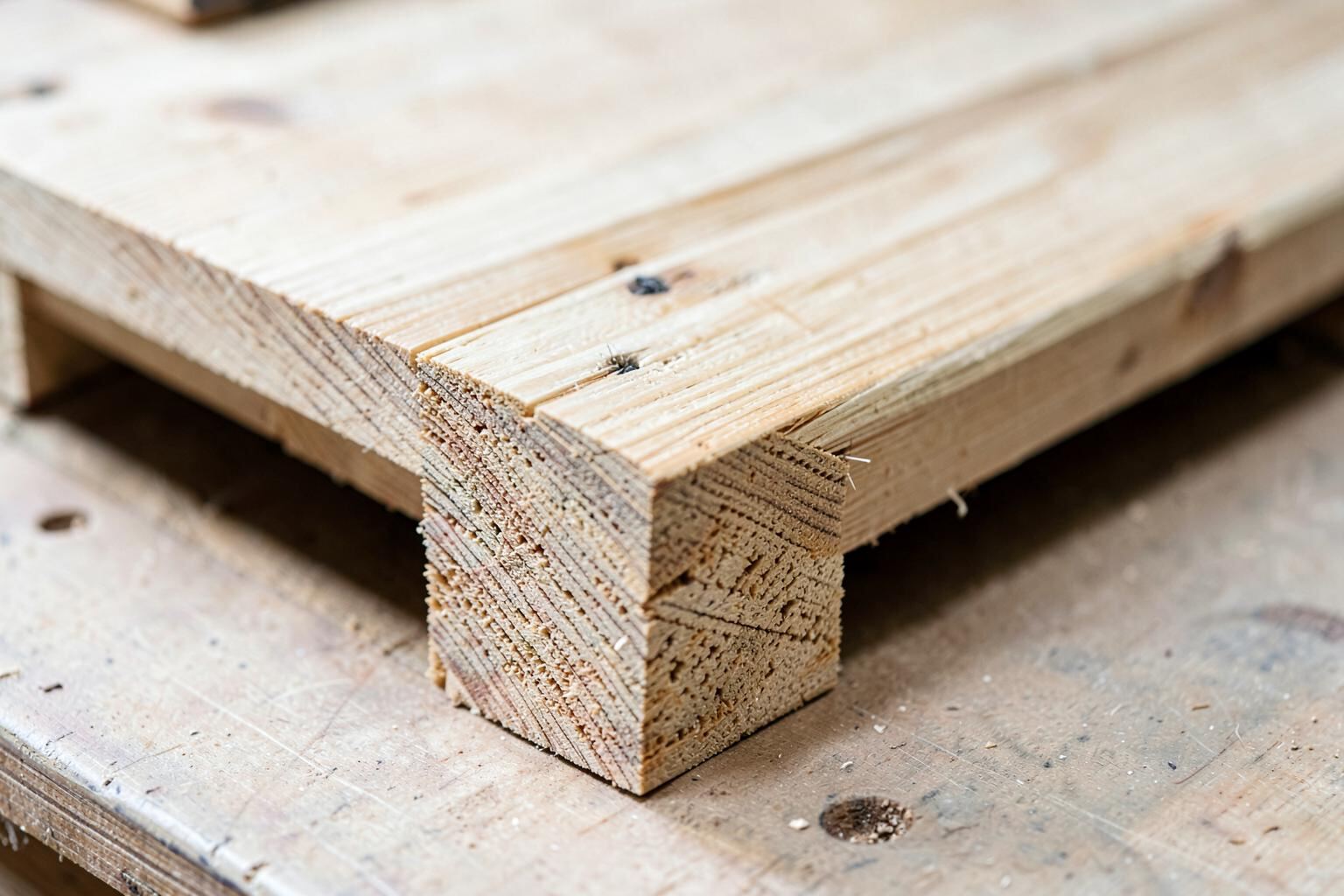
- Photograph the top deck, underside and a side elevation of the sample.
- State the load, the handling equipment and the storage method.
- Say whether export use is in scope, and whether marks must be legible.
- Ask the supplier to state their grade definition in writing.
- Confirm no pooled operator stock is being offered.
Next
Continue
- CP pallet identificationMatch a CP number or footprint to CP1–CP9 before specifying.
- Business pallet supplyBulk and account supply of used pallets.
- Procurement and account supplySpecifying pallets inside a procurement process.
- Identifying pooled palletsWhy operator stock never enters a specification.
- ISPM15 explainedWhen treatment and marking become a hard requirement.
- Pallet sizes and dimensionsFootprints, measurement and what they leave open.
- Pallet grades explainedWhy grade letters travel badly between suppliers.
- Bespoke palletsOptions when no standard pallet meets your specification.
- Pallet CheckerRoute your requirement in a few questions.
- Talk to PalletmoveSend a sample photograph and we will describe what it is.
Not sure how to specify what you use?
Send photographs and measurements of a sample pallet and we will help you write it down properly.